Amazon's new RDC network: what's changing, why it matters, and what to do about it
August 6, 2026
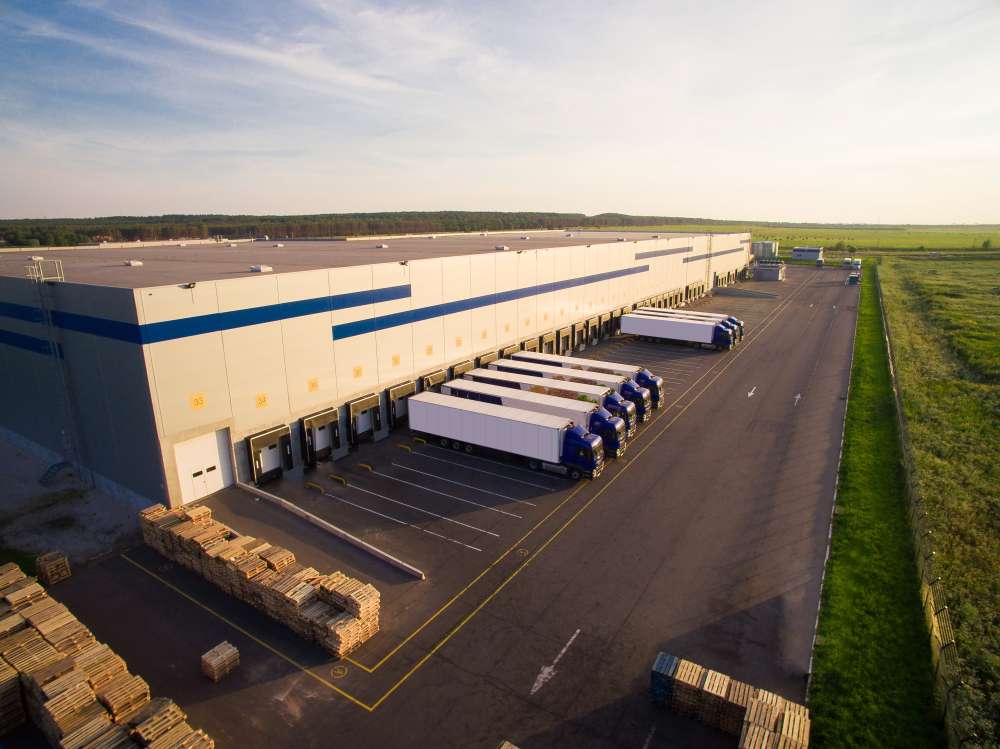
If you've created a shipment lately and have seen a destination pop up that doesn't look like a normal fulfillment center, you're not imagining things. Amazon is expanding a network of Regional Distribution Centers (RDCs), and it's changing how inventory moves once it lands in Amazon's network.
What's launching
Amazon has run two inbound networks for years: fulfillment centers, where inventory becomes sellable, and a crossdock network that reroutes cartons to the right region faster.
RDCs are a third layer on top of that. They're part crossdock, part holding center. Instead of a carton passing straight through to a fulfillment center, Amazon can hold it at an RDC and release it downstream only when there's demand at the FC level.
This isn't a one-time change. Amazon has been building out this two-tier crossdock system since 2024, and it keeps growing every year around this time. If it feels sudden, it's because the timing is deliberate: expect Amazon to keep opening new RDC sites over the next several weeks as it prepares for peak season.
A few things are showing up at once that make this feel more confusing than past network changes. Some new destinations don't have appointment times yet, which means inventory can sit longer before it's even scheduled to move. Sellers are seeing this appear mid-shipment, without much warning. None of this means something is broken. It's Amazon continuing to refine placement and delivery experience for both sellers and shoppers, the same way it has in past years. But it does mean the inventory that used to move predictably now has an extra stop, and that stop isn't evenly distributed across every brand's catalog.
Why it's not just about how much inventory you carry
The most common assumption about RDC routing is that it's a function of volume. Send less inventory, get routed through fewer holding centers. That's part of the picture, but it misses the bigger driver: what your SKUs actually are, not just how many of them you have on hand.
Amazon's network sorts inventory by how predictably it sells - body and tail items.
Body items are mid-velocity SKUs. They sell steadily and predictably enough that Amazon can justify stocking them regionally, close to where demand shows up. They're not the top-tier, constant-throughput products, but they move often enough to earn a dedicated spot near the customer.
Tail items (sometimes called long-tail items) are the opposite: low-velocity, niche, or infrequent sellers. Because demand for any single tail SKU is scattered and hard to predict by region, Amazon tends to fulfill them from centralized, national inventory rather than pushing them out to regional hubs. That centralization means more transit miles per package when an order does come in, and it's exactly the kind of inventory RDCs were built to hold and release on demand.
Here's the part that trips people up: RDCs aren't just for tail items. If a single shipment contains a mix of body and tail SKUs, the whole shipment can be routed to an RDC. A shipment that's 90% steady, predictable body items and 10% tail items can still end up taking the RDC path, because Amazon is evaluating the shipment, not sorting SKU by SKU before it decides.
That's why some brands feel this more than others. Core, high-volume sellers on Amazon tend to run catalogs weighted toward body items: fewer SKUs, each moving in real volume. Third-party brands with broader catalogs tend to carry more tail items relative to their body items, often because they're supporting a wider product line or newer SKUs that haven't built up sales history yet. The more tail items in your mix, and the more those tail items end up shipped alongside your body items, the more likely you are to see inventory route through an RDC, regardless of how tightly you're managing days of inventory on hand.
What to do about it before peak season
Amazon expects to keep opening new RDC sites over the next several weeks, right on schedule with how this network has grown every year since 2024. That timing puts these decisions ahead of peak season, not after it.
Start with your SKU mix, not your total inventory.
Pull your catalog and sort by velocity: which SKUs sell steadily enough to count as body items, and which are slower-moving tail items. If you don't already track this split, this is the moment to build it. Once you know your mix, look at how shipments are packaged. Where it's operationally possible, separating high-velocity and low-velocity inventory into distinct shipments gives Amazon less reason to hold the whole load.
Tighten how much you're carrying, especially on tail SKUs.
Keep days of inventory on hand in the 30 to 60 day range where it's operationally realistic, rather than defaulting to 90-plus days of safety stock. Review what's sitting at Amazon regularly and flag anything aging longer than it should. Resist the instinct to over-replenish. Sending more than you need doesn't protect you here; it just adds more inventory that can sit at an RDC while Amazon decides when to release it. This matters most for tail items, where demand is already unpredictable and excess stock has nowhere useful to go in the meantime.
Shorten your replenishment cycle.
The tighter your replenishment cycle, the less inventory you need on hand at any given time to maintain availability. A brand that can restock quickly can afford to run leaner, which reduces exposure to RDC holds and to Amazon's storage and aging costs at the same time.
Where Pattern fits in
This is the exact problem Pattern's fulfillment model is built around. Instead of sending Amazon months of supply to protect against stockouts, Pattern ships trucks into Amazon daily, keeping inventory levels matched to actual demand instead of overstocking. That means less inventory sitting at Amazon waiting to move, and less exposure to network changes like this one.
Pattern's warehouse network and standing check-in appointments at Amazon FCs also mean inventory that does need to move, moves fast, without the placement fees that come with sending inventory in yourself.
If you want a clearer read on your own body-to-tail ratio, your current days of inventory on hand, or how your shipments are composed, reach out to our Pattern team. We're tracking these changes closely and we're happy to look at your specific setup with you.