
China
Content is the shelf: how social commerce works in China
How social commerce in China works across Douyin, Xiaohongshu, Tmall and WeChat, and the 2026 livestream rules US brands need to plan for.
November 18, 2026

December 24, 2019
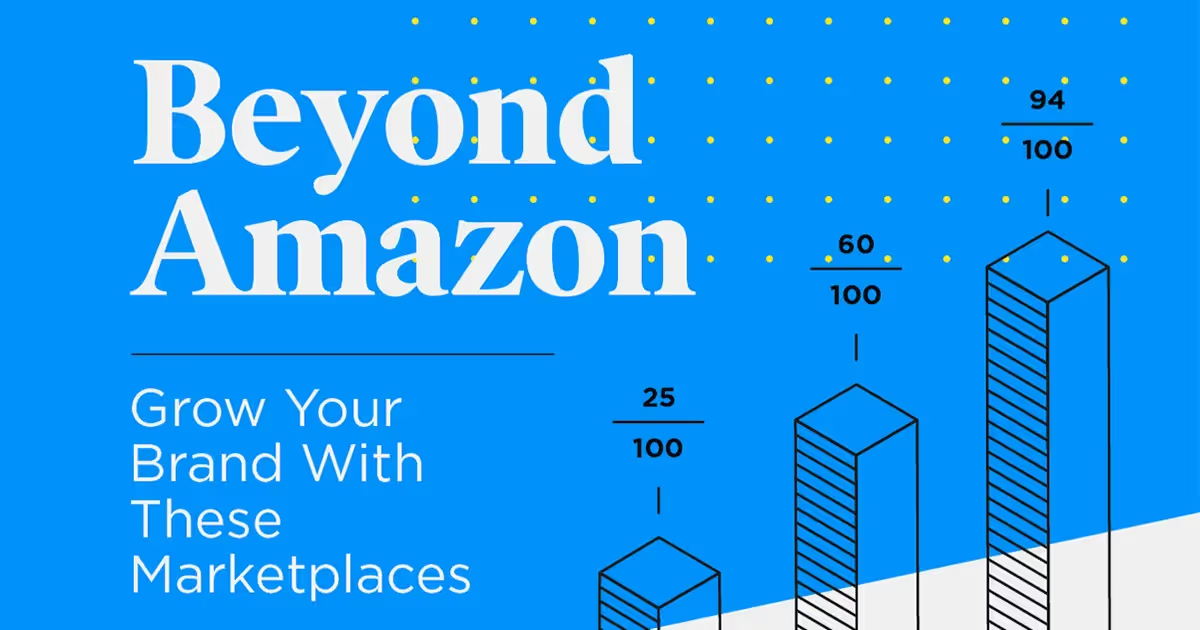
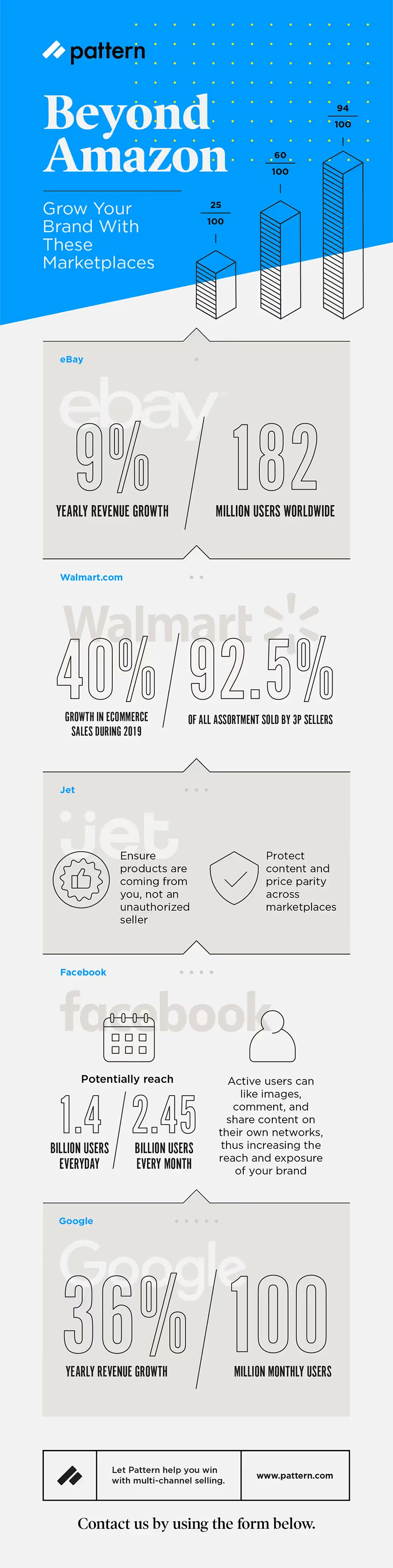
With its resources, reputation, and reach, Amazon is an incredible tool to grow your ecommerce business. However, it’s never a good idea to place all your eggs in one basket. At Pattern, we have the tools and expertise to help you mitigate risk, boost sales, protect your brand, and expand your reach with multichannel selling.
Multichannel selling helps mitigate risk and reduces revenue loss in situations where sales drop on one particular channel. Consider a scenario in which you lose the Buy Box and sales drop overnight, or perhaps a restriction or suspension is placed on your account. If your business is solely reliant on Amazon sales, your revenue may be in trouble. However, by diversifying risk and selling on multiple marketplaces, your revenue will not suffer as much with other platforms carrying your sales.
According to Stitch Labs, sellers make approximately 190% higher revenue when selling on more than one channel, all while increasing exposure and promoting their brand. Amazon currently accounts for 47% of the U.S. market share. Why limit your business to less than half its potential? Moreover, listings on multiple channels enhances brand recognition, leading to higher conversion rates and increased sales.
Even if you are not selling your products on a particular channel, chances are someone else is. Often times, unauthorized third party sellers’ listings lack professional imagery, contain poor content and incorrect product and brand information, and sell below MAP. This can negatively influence a consumer’s perception of your brand; Think With Google reports that 69% of online consumers agreed that the quality of the brand’s message online affects their opinion of the brand. To prevent price erosion and maintain your brand image and integrity, consider multichannel selling.
A recent Salesforce study reports that 87% of consumers begin their shopping online, up 18% from just two years ago. With multichannel selling, you can ensure your product is listed wherever a consumer is looking and influence their purchasing decisions.
Multichannel selling has its challenges, but is almost always rewarding. If you’re ready to watch your sales, customer base, and business grow, consider one of these marketplaces our marketplace experts recommend to our brand partners and get in touch about our Amazon multi-channel fulfillment services.
Latest blogs to check out.
China
Content is the shelf: how social commerce works in China
How social commerce in China works across Douyin, Xiaohongshu, Tmall and WeChat, and the 2026 livestream rules US brands need to plan for.
November 18, 2026

SKU rationalization: a practical guide with real marketplace examples
What SKU rationalization is, how to run it on Amazon, Walmart and other marketplaces, and how brands reshaped their range with Pattern.
November 16, 2026
Marketplace Accelerator
Amazon Listing Optimization: Your Ecommerce Guide
Optimizing your listing content, reviews, advertising strategy, and product visibility to increase both traffic and conversion doesn’t have to be complicated.
November 13, 2026