What Amazon's new supply chain announcement means for ecommerce brands
May 6, 2026
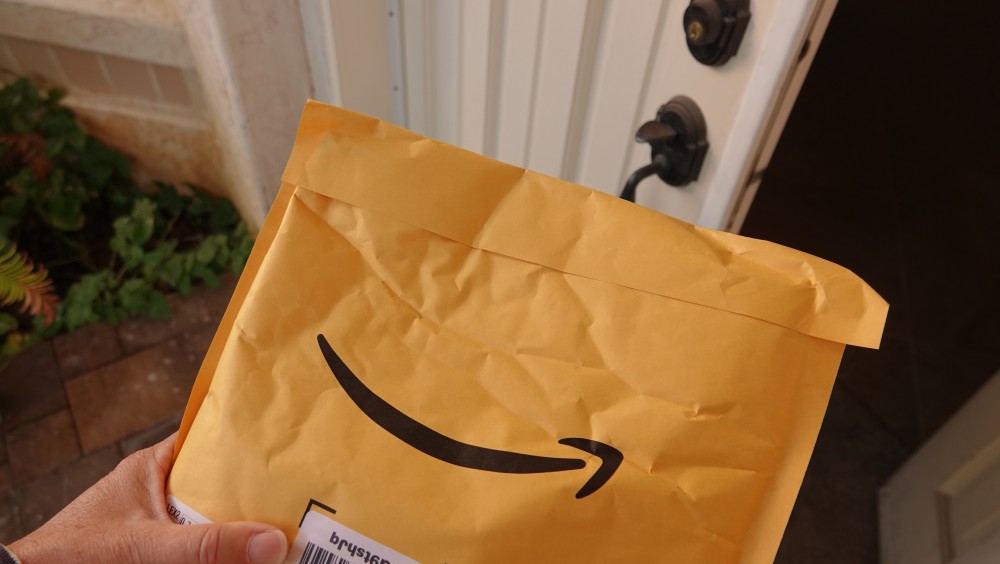
On May 4, 2026, Amazon announced Amazon Supply Chain Services (ASCS), officially opening its freight, distribution, fulfillment, and parcel shipping network to any business, not just Amazon sellers.
It's a significant move, and one that reflects where ecommerce is heading.
What Amazon is offering
Amazon has offered pieces of this for years: freight forwarding, FBA, multi-channel fulfillment, Buy with Prime.
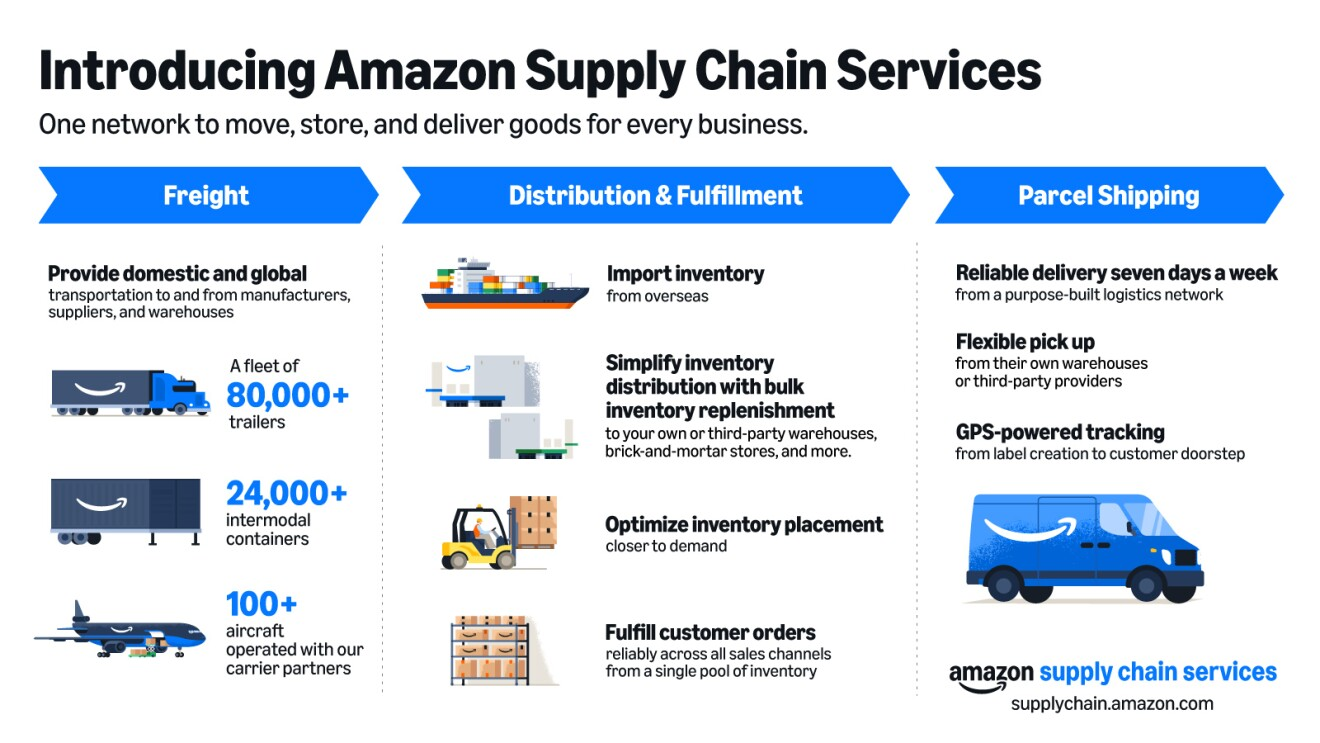
What changed on May 4 is the branding and the bundling. Amazon Supply Chain Services (ASCS) packages those capabilities into a single, named offering: ocean, air, ground, and rail freight, bulk warehousing, multi-channel fulfillment, and parcel shipping with 2-5 day delivery, 7 days a week. Early adopters include Procter & Gamble, 3M, Lands' End, and American Eagle Outfitters.
The shift is less about new technology and more about a new posture. Amazon is signaling that the fragmented-by-phase model (one vendor for freight, another for warehousing, another for last-mile) is giving way to unified, end-to-end supply chain management. And when Amazon formalizes that as a product, the rest of the industry tends to follow.
What this signals for the industry
This announcement reflects a shift that has been building across ecommerce for years. Brands are moving away from fragmented logistics toward unified, end-to-end supply chain management, and for good reason.
The challenges are familiar: inventory spread across disconnected systems, demand signals that don't inform replenishment fast enough, fulfillment setups built for one channel that struggle to support growth into new ones. Each gap introduces cost, delays, and risk that compound over time.
When a company the size of Amazon formalizes a product offering around solving these problems, it confirms what leading ecommerce brands have already figured out. Unified supply chain management isn't a competitive advantage anymore. It's the standard.
How Pattern approaches fulfillment
Pattern has been building toward this model for years as part of its ecommerce accelerator offering. And our operation covers the full supply chain, not just the last mile.
We move it
Pattern manages domestic and global freight, handling transportation to and from manufacturers, suppliers, and warehouses. That includes importing inventory from overseas and managing the logistics from origin to fulfillment center.
We store it
Once inventory arrives, we handle bulk inventory replenishment and optimize placement across fulfillment nodes to position products closer to demand. Faster shipping, lower cost per order.
We deliver it
Everything fulfills from a single inventory pool, so brands can serve customers across Amazon, Walmart, TikTok Shop, and DTC channels without maintaining separate stock for each one. No rebuilding your logistics setup every time you add a channel.
The result
Over 8 million orders processed per month, a 99.8% on-time delivery rate, and an average turnaround under 2 days.
When Super Coffee partnered with Pattern, 8 of their top 10 SKUs were out of stock during peak season and their 3PL couldn't keep pace. Pattern rebuilt the operation, bringing in-stock rates to 100%, shipping over 134,000 units to Amazon, and enabling expansion to TikTok Shop and Walmart without a logistics overhaul.
One thing brands should factor in
For brands active on Amazon and selling across multiple channels, there's an additional consideration. Running your logistics through Amazon means giving Amazon detailed visibility into your inventory levels, demand patterns, and sales velocity across every channel. That tradeoff will look different depending on your category and competitive position, but it's worth thinking through before consolidating your supply chain with a company that's also your marketplace.
The bigger picture
Amazon's announcement makes one thing clear: end-to-end supply chain management is becoming the baseline expectation for competitive ecommerce brands. The question isn't whether to get there, it's how and with whom.
Brands that build a connected, channel-agnostic fulfillment operation now will be better positioned to scale, reduce complexity, and compete across the channels that matter most.
If you're evaluating your current setup against where ecommerce is heading, Pattern's team is ready to help.
Connect with Pattern's fulfillment team.
FAQs
What is Amazon Supply Chain Services (ASCS)?
ASCS is Amazon's new offering that opens its freight, warehousing, fulfillment, and parcel shipping network to any business, not just Amazon sellers. It covers the full supply chain from moving raw materials to delivering finished products to end customers.
Is this a new concept in ecommerce?
The idea of unified, end-to-end supply chain management isn't new. Brands and logistics partners have been building toward this model for years. What's notable is Amazon bringing it to a much broader audience, which reinforces how central this model is becoming to competitive ecommerce operations.
Is ASCS available to brands that don't sell on Amazon?
Yes. Amazon is positioning ASCS for businesses across retail, healthcare, automotive, manufacturing, and beyond, regardless of whether they sell in the Amazon store.
What should brands consider before using Amazon for fulfillment?
The main consideration is data visibility. When Amazon manages your logistics, they gain insight into your inventory levels, demand patterns, and sales velocity across channels. For brands selling on Amazon, it's worth evaluating what that visibility means for your competitive position before making the decision.
How is Pattern's fulfillment different from ASCS?
Pattern is a 3P accelerator, not a retailer or marketplace. We handle marketplace prep, middle mile, and DTC fulfillment across all channels from one connected operation, with no competing interests in your data or your category.
Can Pattern fulfill orders beyond Amazon?
Yes. Pattern supports fulfillment across Amazon, Walmart, TikTok Shop, DTC, and more, without requiring brands to rebuild their logistics setup for each channel.
What results do Pattern's brand partners see?
Pattern's network processes over 8 million orders per month with a 99.8% on-time delivery rate and an average turnaround under 2 days. Brands like Super Coffee have seen in-stock rates reach 100% and successfully expanded to new channels without a full logistics rebuild.
How do I get started with Pattern fulfillment?
Connect with our team and we'll walk through your current setup, identify gaps, and show you what a connected fulfillment operation can look like for your brand.
Latest blogs to check out.
.png)
%20(1).jpg)