

TikTok Shop
TikTok Spark Ads: what they are and how brands use them
What TikTok Spark Ads are, how to get a Spark Ads code, how to launch them in Ads Manager and how they work with GMV Max for TikTok Shop sellers.
November 25, 2026

September 15, 2026
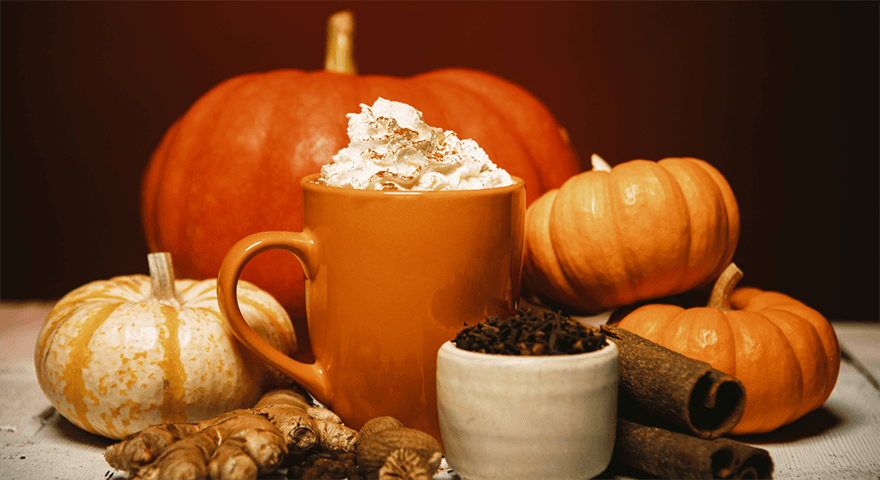
Every September, pumpkin stops being a gourd and becomes a flavor, a scent, and apparently a personality trait. Coffee, candles, cereal, dog treats, protein powder, deodorant. If a product can be pumpkin spice flavored or pumpkin scented, someone somewhere has already put it on a shelf.
It's easy to write it off as a marketing gimmick that peaked around 2015. But the fact that brands keep doing it, and keep doing it more each year, says something real about how line extensions work and why shoppers keep falling for them.
A quick tour of what's out there right now:
Some of these make sense. Pumpkin spice coffee is basically its own category at this point. Others, like pumpkin scented trash bags, exist purely because a brand figured out that slapping a seasonal flavor or scent on an existing SKU is cheaper than building something new.
Line extensions like this aren't really about pumpkin. They're about giving a shopper a reason to notice a product they'd otherwise scroll past.
A few things are happening at once:
It's low lift for the brand. Most of these products aren't new formulations. They're existing SKUs with a seasonal scent, flavor, or packaging change. The R&D is minimal, the manufacturing tweak is small, and the upside is a burst of visibility during a window when people are already primed to buy seasonal stuff.
It rides an existing trend instead of creating one. Pumpkin spice didn't need to be invented or explained. The brand just needed to attach itself to something shoppers already associate with fall, cozy, and treat-yourself spending.
It triggers impulse buying, not considered buying. Nobody sits down and researches the best pumpkin scented dish soap. They see it in the aisle or in a search result, it feels timely and a little novelty, and it goes in the cart. That's the whole mechanism. Limited-time seasonal products short-circuit the usual comparison shopping because the implicit message is "grab it now or it's gone until next year."
It's a low-risk way to test demand. A pumpkin spice version of a product is a cheap experiment. If it sells, great, it's a seasonal tentpole you bring back every year. If it flops, you quietly let it go and nobody remembers.
Not every extension lands. The trend has a well-known failure mode: brands that clearly have no business making a pumpkin spice version of their product, purely because the calendar says September. When the scent or flavor doesn't connect to what the brand is known for, it reads as a gimmick instead of a seasonal treat, and shoppers can tell the difference.
The brands that do this well usually pick one or two seasonal SKUs that make sense for their catalog, rather than pumpkin-ifying their entire lineup. Trying to force it everywhere dilutes the whole effect.
"Everything pumpkin" is a low-cost, high-visibility way to test line extensions, ride a seasonal trend without inventing one, and give impulse shoppers a reason to buy something they weren't planning to.
If you're thinking about your own seasonal strategy, the question isn't "what can we make pumpkin flavored." It's "what's the equivalent low-lift, high-relevance twist on our existing product that gives someone a reason to buy now instead of later." Pumpkin just happens to be the most visible, most copied version of that idea.
Latest blogs to check out.
TikTok Shop
TikTok Spark Ads: what they are and how brands use them
What TikTok Spark Ads are, how to get a Spark Ads code, how to launch them in Ads Manager and how they work with GMV Max for TikTok Shop sellers.
November 25, 2026

TikTok Shop
How much do TikTok ads cost? A guide for brands
What TikTok ads cost: TikTok's minimum budgets, recommended starting budgets, how bidding works, and the full cost of a TikTok Shop sale, including fees and creator commission.
November 23, 2026

Marketplace Accelerator
What does renewed mean on Amazon?
Amazon Renewed explained for brands: who qualifies, the $50,000 invoice rule, the 5% pricing rule, and the guarantee claims you'll back as a seller.
November 21, 2026