
TikTok Shop
TikTok Spark Ads: what they are and how brands use them
What TikTok Spark Ads are, how to get a Spark Ads code, how to launch them in Ads Manager and how they work with GMV Max for TikTok Shop sellers.
November 25, 2026

October 1, 2021
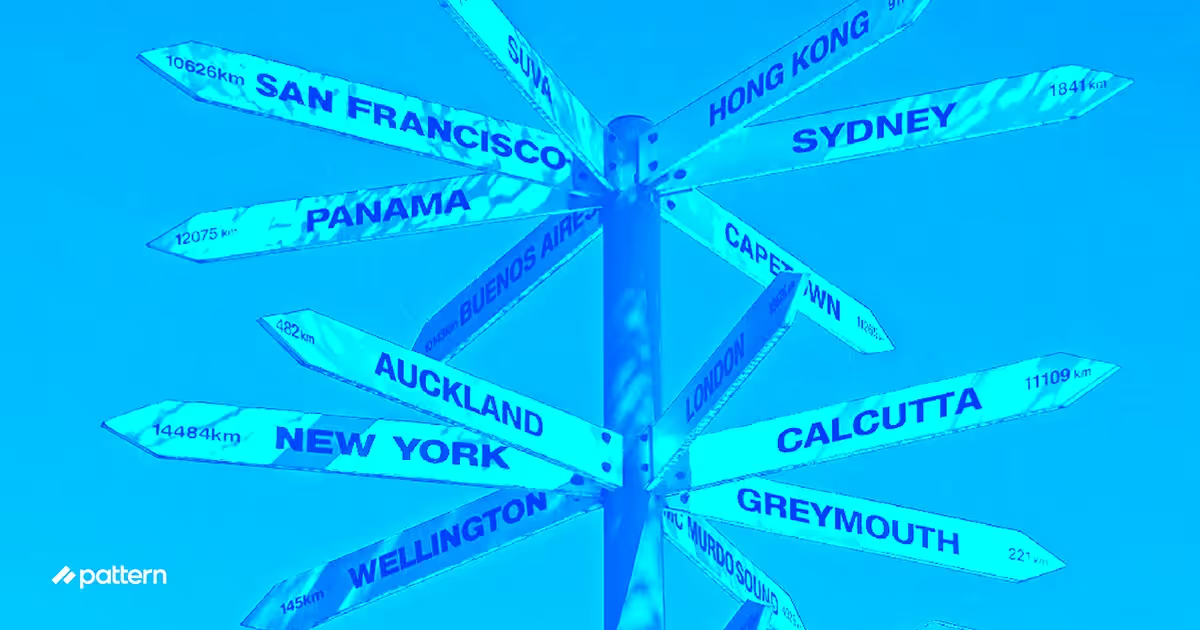
Marketplaces have become an increasingly important route to market for brands who want to grow their international online sales. In this blog, we share the three key phases of online marketplace internationalization that every consumer brand will go through during its journey into new markets.
Cross-border online sales have grown significantly in recent years, and the global ecommerce market is forecast to surpass $6 trillion USD by 2024. However, launching in new markets is a complex process which requires expert knowledge and a willingness to invest to reach scale.
Entering new markets however is no easy task. A brand that resonates in its domestic market may not do so in its target market. For this reason, we recommend that brands test for demand in the new market to be sure that customers exist.
A simple way to do this is through cross-border sales via marketplaces. By selling cross-border your products will be readily available in markets that previously might have required a localization strategy, providing a shortcut to marketplace internationalization for many brands.
Once you’ve established that there is demand for your products in your target market, you can begin to increase your profile. Investing in local marketing–while still selling cross-border–is one way to increase sales momentum.
Running local marketing campaigns in your target market with native content can help with demand generation. Engaging with influencers on popular social media channels provides plenty of opportunities for brand awareness and drives customers directly to your sales channels.
Finally, localizing your proposition is the third phase of online marketplace internationalization. Create a local entity, local listings on marketplaces, and move product to the market to fulfill orders once consumer demand warrants the investment. You may also consider launching a localized direct-to-consumer site or partnering with third-party retailers as a means to full localization. Many brands who choose to sell their goods via marketplaces often work with an authorized seller to execute this phase of marketplace internationalization.
For more information on how we could support you in developing your international ecommerce strategy, or if you are interested in us becoming the authorized marketplace seller for your brand anywhere in the world please contact us today.
Latest blogs to check out.
TikTok Shop
TikTok Spark Ads: what they are and how brands use them
What TikTok Spark Ads are, how to get a Spark Ads code, how to launch them in Ads Manager and how they work with GMV Max for TikTok Shop sellers.
November 25, 2026

TikTok Shop
How much do TikTok ads cost? A guide for brands
What TikTok ads cost: TikTok's minimum budgets, recommended starting budgets, how bidding works, and the full cost of a TikTok Shop sale, including fees and creator commission.
November 23, 2026

Marketplace Accelerator
What does renewed mean on Amazon?
Amazon Renewed explained for brands: who qualifies, the $50,000 invoice rule, the 5% pricing rule, and the guarantee claims you'll back as a seller.
November 21, 2026